


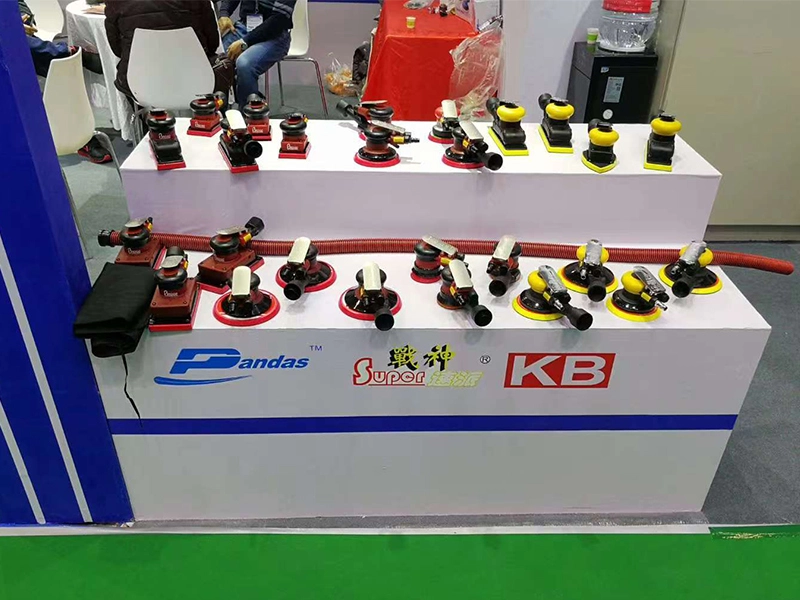
From November 26 to 29, 2025, Automechanika Shanghai 2025 was successfully held at the National Exhibition and Convention Center. The exhibition reached a record scale, featuring 7,465 exhibitors and attracting over 253,000 professional visitors, with overseas buyers accounting for approximately 28%.
The event maintained strong attendance and active business engagement. While overall feedback from exhibitors was positive, the structure of international buyers showed a clear trend: purchasers from Europe and North America were relatively limited, while buyers from Belt and Road countries—such as Russia, Central Asia, the Middle East, and India—dominated the international presence.
1. Strong Attendance and Solid Business Outcomes
The exhibition covered the entire automotive aftermarket industry chain, including parts & components, diagnostics & repair, accessories & customization, and new energy solutions.
On-site traffic remained high, with active business negotiations throughout the event. Many exhibitors reported securing large-volume inquiries and establishing partnerships for distribution, OEM/ODM cooperation, and bulk supply.
Compared with other industry exhibitions facing weaker demand, this year’s event demonstrated both scale and effectiveness, benefiting from the global recovery of the automotive aftermarket and China’s strong supply chain advantages. It continues to serve as a key annual trade platform in Asia.
2. Distinct Buyer Structure: Belt and Road Markets Lead
Official data shows that the top overseas buyers mainly came from countries highly aligned with the Belt and Road Initiative, including India, Türkiye, the UAE, Kazakhstan, Malaysia, Thailand, and Russia.
In contrast, although some European and North American buyers attended, their numbers declined significantly. Only Germany appeared marginally among the top sources, while professional procurement groups from Western Europe and North America were notably reduced.
Exhibitor feedback confirmed:
-
Buyers were primarily from Russia, Central Asia, the Middle East (UAE, Saudi Arabia), South Asia (India), and Southeast Asia, with strong and clear purchasing intentions focused on aftermarket parts, consumables, modification parts, and commercial vehicle components.
-
Participation from European and American OEMs, large purchasing groups, and high-end distributors decreased significantly, resulting in fewer high-level technical collaborations and long-term large-scale orders.
-
Buyers from the Middle East, Russia, and Central Asia showed decisive purchasing behavior and shorter order cycles, becoming the main contributors to on-site transactions.
3. Key Drivers: Geopolitics and Supply Chain Restructuring
1) Reshaping of Global Trade Patterns
Western markets are accelerating supply chain localization and regionalization, becoming more cautious in sourcing from China. Meanwhile, Russia and Central Asia are increasingly relying on Chinese supply chains due to external constraints.
2) Growth of Belt and Road Markets
Improved cross-border logistics, payment convenience, and policy coordination have accelerated the growth of vehicle ownership and aftermarket demand in Belt and Road countries, making them key growth markets for Chinese exports.
3) Exhibition Strategy and Buyer Targeting
Organizers have focused on emerging markets, with buyer invitations leaning toward Belt and Road countries. Meanwhile, high-end Western buyers increasingly prefer local exhibitions, reducing their participation in China.
4) Product-Market Fit Differences
Chinese exhibitors mainly offer cost-effective aftermarket parts, which align well with emerging market demand. However, competitiveness in high-end OEM supply remains limited, making it more challenging to attract core Western buyers.
4. Industry Impact and Future Trends
The shift in buyer structure reflects a broader transformation in global automotive trade. Belt and Road markets have become the primary growth engine for Chinese auto parts exporters, demonstrating strong resilience and commercial potential.
For companies:
-
Short-term: Focus on Russia, the Middle East, Central Asia, and India, optimizing products and certifications to capture immediate opportunities.
-
Long-term: Strengthen localization strategies, compliance, and brand building to enhance market penetration in emerging economies.
-
Western markets: Although demand is currently weaker, companies should maintain presence through online channels and regional partnerships, preparing for future recovery.
Conclusion
Overall, Automechanika Shanghai 2025 delivered solid and pragmatic results. While the absence of a large number of high-end Western buyers was noticeable, the strong presence of Belt and Road buyers provided Chinese automotive suppliers with a focused and efficient pathway to global markets.
The exhibition also serves as a clear indicator of the ongoing shift in global trade dynamics, highlighting the growing importance of emerging markets in the automotive aftermarket industry.